
Commercial Pool Winter Operations: Pool Heaters, Chemistry & Inspection Readiness
Pool Care
Key highlights
- Most Las Vegas community pools and spas stay open all winter, so inspections and permit rules still apply.
- Spas get the most use in winter. The Southern Nevada Health District limits spa water to 104°F.
- Cold water and fewer swimmers make chemistry easier, but test and log as often as your permit requires.
- Winter is the best time to plan plaster, pump room and VGBA upgrade projects before swim season.
In Las Vegas, most HOA, apartment and hotel pools never close. The pool gets quieter in winter, but the spa gets busier, and the Southern Nevada Health District (SNHD) still inspects.
SNHD’s aquatic facility regulations took effect July 1, 2019, and are based on the CDC’s Model Aquatic Health Code. Your permit and SNHD’s regulations are the final word for your facility. This is the checklist we work through with our commercial clients each winter.
The winter checklist
-
Pool heaters & spas
Test ignition, venting and safety controls. Keep spa water at or below 104°F.
-
Water chemistry
Test and log as often as your permit requires. Keep sanitizer and pH in range.
-
Pump room
Look for leaks and new noises. Make sure freeze protection is on.
-
Gates & barriers
Every gate must close and latch on its own.
-
Drain covers
VGB-compliant, secure and uncracked. Track each cover’s replacement date.
-
Records
Water-quality logs and your operator’s certification, current and easy to find.
Pool heaters and spas
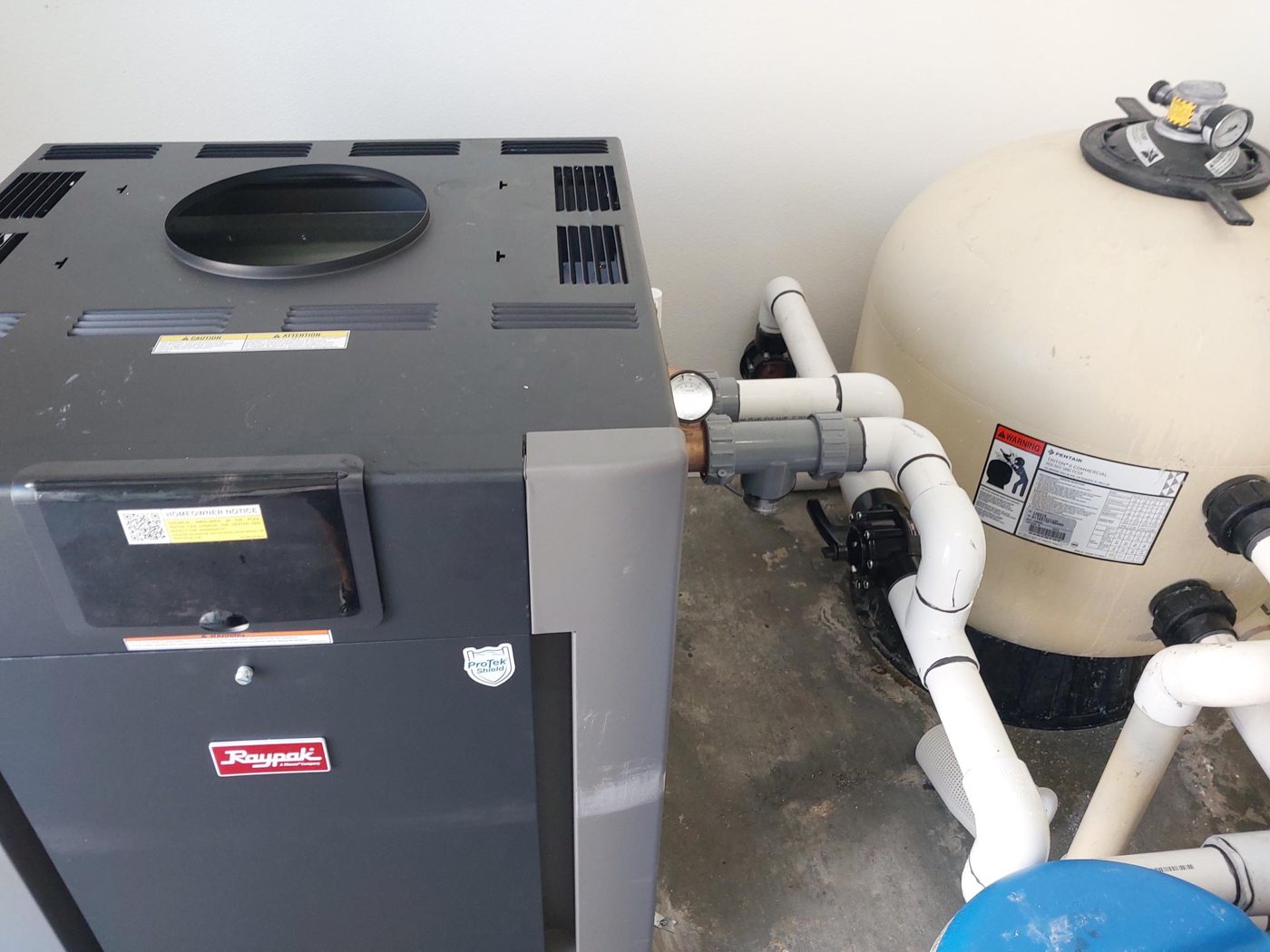
Spas are the busiest part of a community pool in winter, and a cold spa brings complaints fast. Test pool heaters before the cold arrives. Check ignition, safety controls and venting, and look for soot or leaks.
Spa water: 104°F max.
Check that the controller and the thermometer agree.
If a pool heater rumbles or bangs, the cause is usually low water flow, a broken internal bypass valve, or an external manual bypass valve that’s set wrong. Our pool heater warning signs guide covers the details, and our pool heater repair team handles natural gas and propane units.
Water chemistry in cold water
Cooler water and fewer swimmers mean chlorine lasts longer, but it’s easy to let things drift. Keep sanitizer and pH within your permit’s ranges, especially in spas, where heat and heavy use burn chlorine quickly. Keep test kits and reagents fresh, because old reagents give wrong readings. Las Vegas water is hard, so keep an eye on calcium too; see our hard water guide.
Pro tip
A chemical controller reads pH and sanitizer level all day and feeds chlorine and acid as needed, so the numbers stay steadier between visits. See our chemical automation page.
Walk the deck like an inspector
Check self-closing gates and other safety items before the facility opens. Repair scope and any reopening requirements depend on the issue. Walk it in this order:
-
Gates
Every door and gate closes completely and latches on its own.
-
Signs
Required signs are posted and readable.
-
Safety equipment
Everything on your permit is in place and in good shape.
-
Drain covers
Secure, uncracked, VGB-compliant and within their replacement dates.
-
Water clarity
You can clearly see the main drain.
-
Test kit and logbook
Fresh reagents, and logs current for every day the pool was open.
Fresh & Clear job
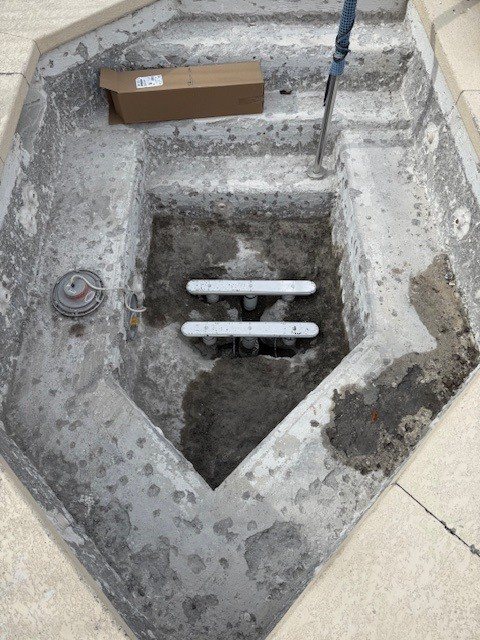
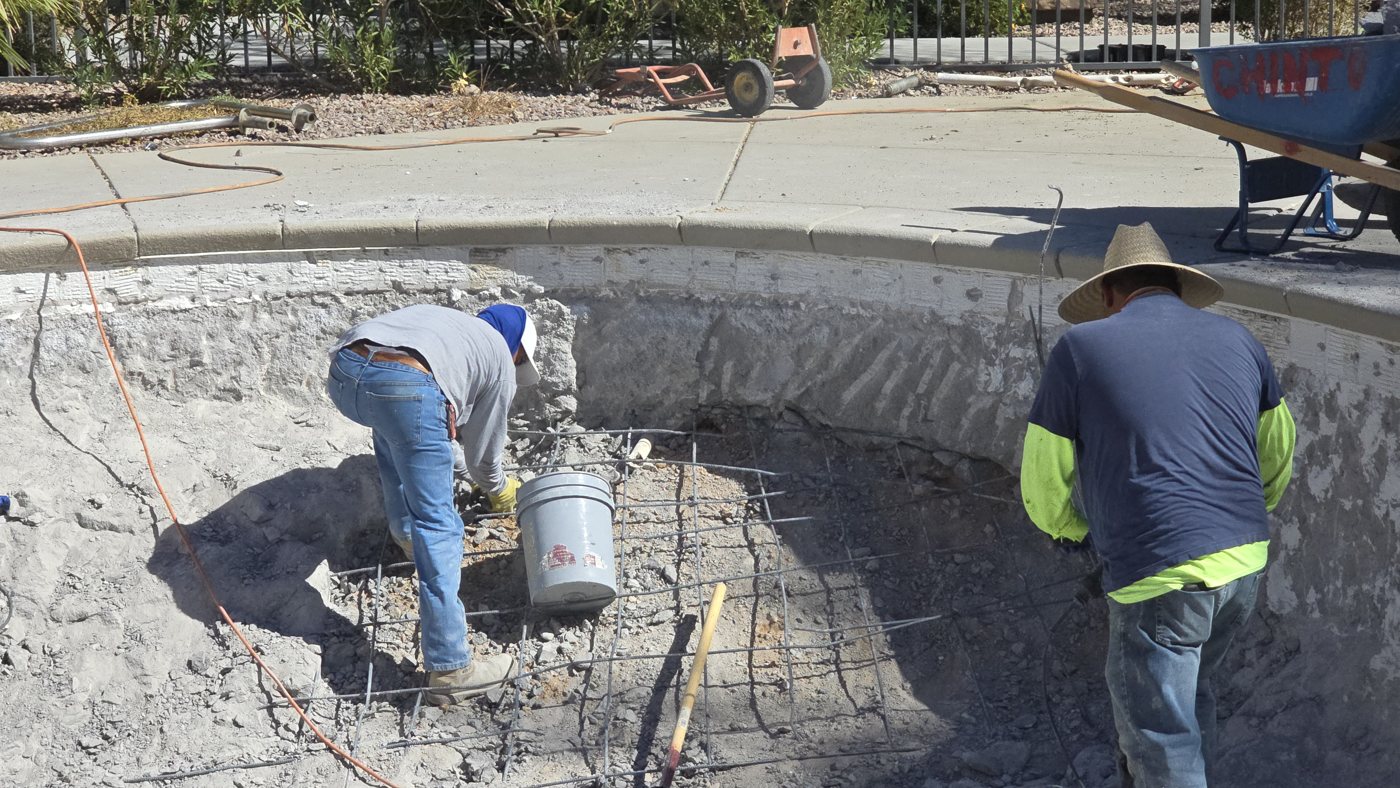
VGBA suction outlet upgrade
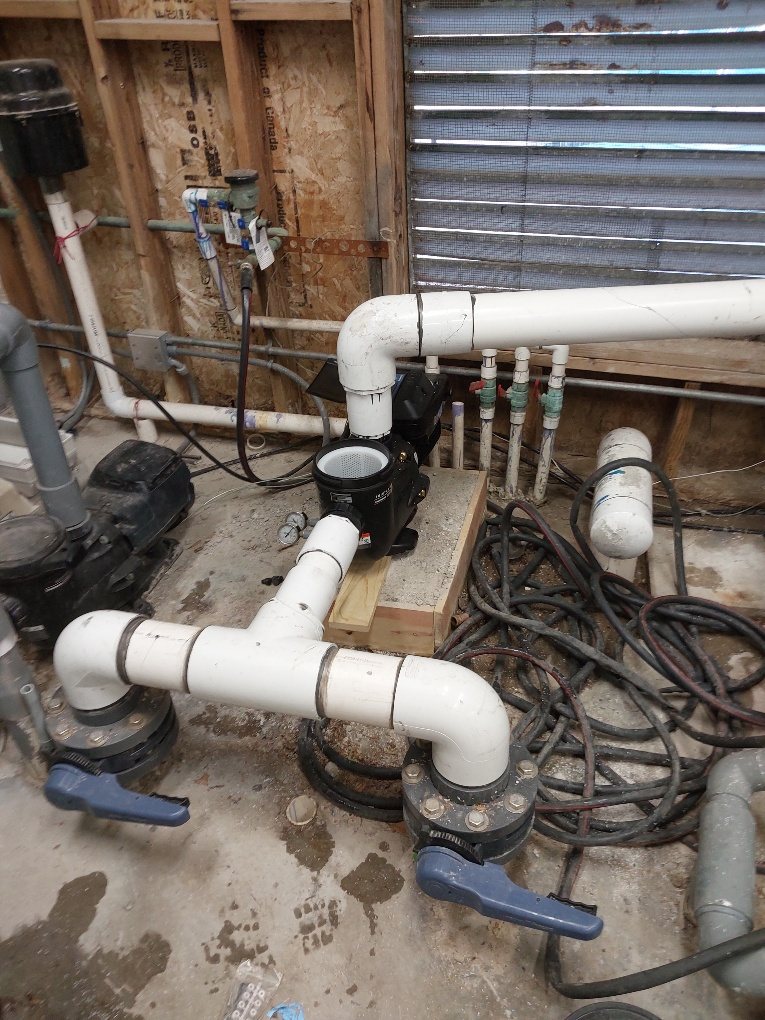
Fresh & Clear job
Commercial pump room work
Plan off-season projects now
Winter can offer a useful planning window when fewer people use the commercial pool. Confirm project scope, plan review, work and start-up timing before choosing a closure period.
-
Commercial plaster
When the surface is rough, stained or etched. See why winter is replaster season.
-
Pump room upgrades
Replace old pool pumps, pool filters and controllers with efficient equipment.
-
VGBA drain upgrades
When covers or suction outlets need updating.
Allow time for plan review. Many commercial pool projects need Southern Nevada Health District plan review before work starts. We’ll tell you up front when a project needs one.
Frequently asked questions
Do commercial pools in Las Vegas close for winter?
Most don’t. HOA, apartment and hotel pools and spas usually stay open year-round, so permit rules, testing and Health District inspections continue.
What is the maximum spa temperature for a public spa in Southern Nevada?
The Southern Nevada Health District requires that bathers not be exposed to water above 104°F.
How often should a commercial pool be tested in winter?
Test and log as often as your SNHD permit requires, every day the pool is open. Winter conditions don’t reduce that requirement.
When should we schedule commercial pool plaster or a pump room remodel?
Consider late fall and winter when usage is lower. Confirm the proposed scope, applicable SNHD plan review and the work and start-up schedule before committing to dates.
Does Fresh & Clear service commercial pools?
Yes. We service and repair HOA, apartment, hotel and other commercial pools across the Las Vegas Valley, one to six days a week, Monday through Saturday.